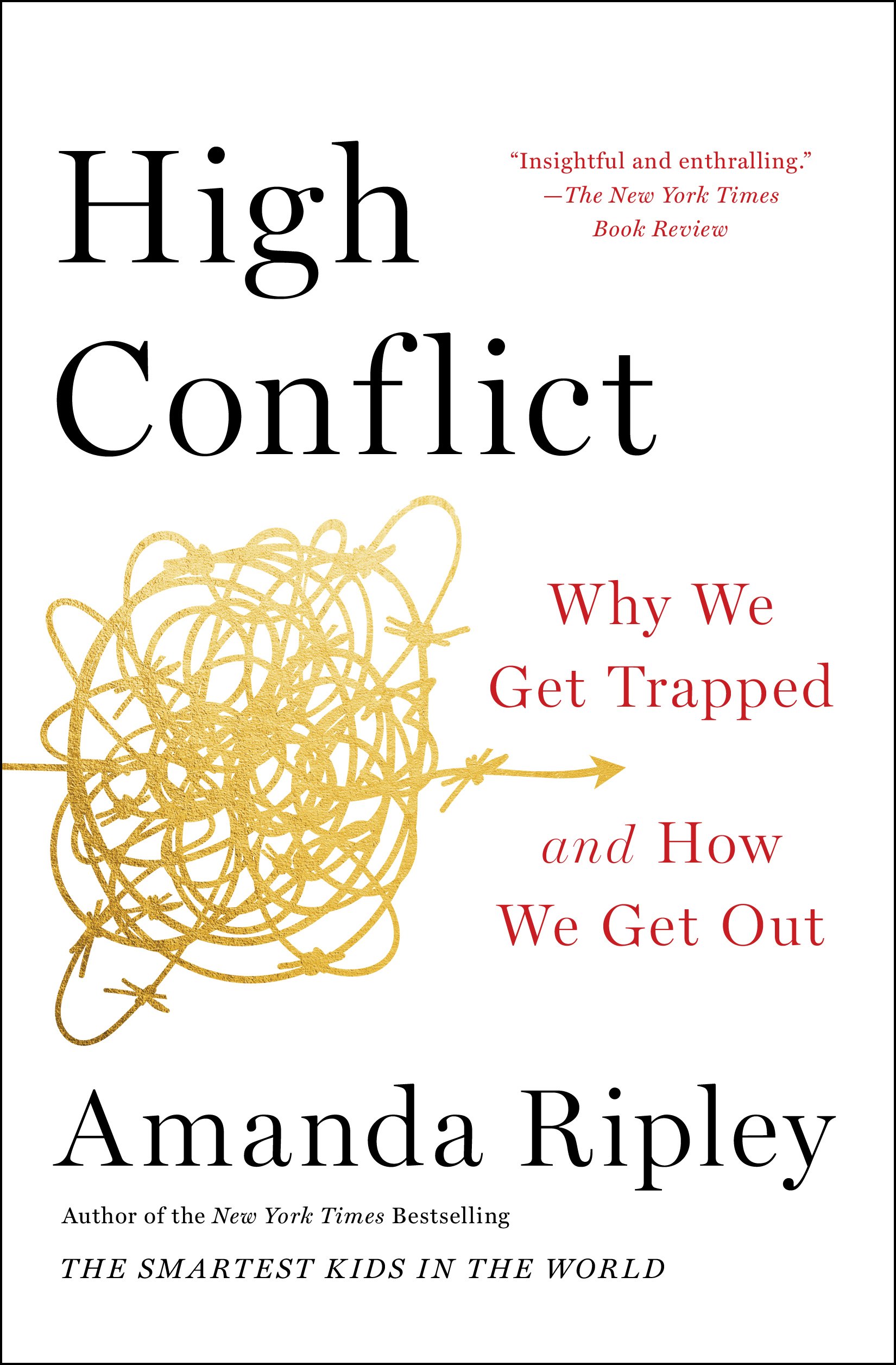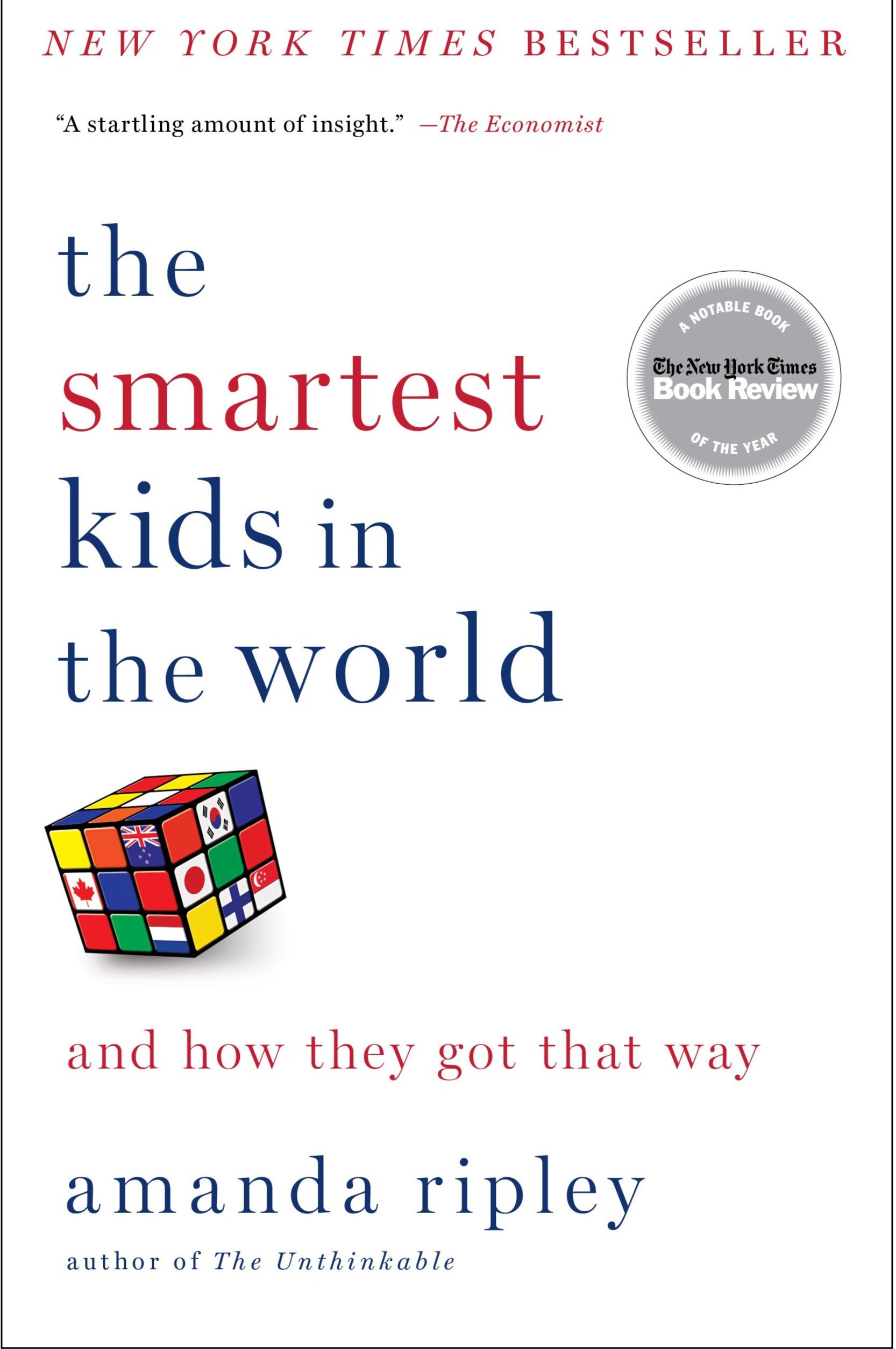

Amanda Ripley Author of The Unthinkable

The Unthinkable is the thinking person's manual for getting out alive.
NPR, National Public Radio


“Engrossing and lucid … An absorbing study of the psychology and physiology of panic, heroism, and trauma … Facing the truth about the human capacity for risk and disaster turns out to be a lot less scary than staying in the dark.”

O, THE OPRAH MAGAZINE
 

Amanda’s Blog subscribe

Toyota’s Perfect Storm

Our brains are wired to fear threats that cause us dread--which is an actual term of art in the risk business. Dread represents all of our evolutionary fears, hopes, lessons, prejudices, and distortions wrapped up in one dark X factor.

In my book, I tried to condense a lot of risk research into one shorthand equation for dread:

Dread = Uncontrollability + Unfamiliarity + Imaginability + Suffering + Scale of Destruction + Unfairness

As I read about the Toyota story, about cars accelerating uncontrollably and Toyota executives watching it all…

Continue Reading »

The Unthinkable in Poland

Just received the Polish paperback.. I like the dangling rope! Not too Hollywood, nor too Warsaw. As for the title, my handy online Polish-English translation service tells me that it means, roughly, “Survival Instinct.”

(Translator is at a loss to explain subtitle, aside from the obvious word for “catastrophe,” but we’ll hope for the best.)

Continue Reading »

Pull in Case (of Some) Emergencies

When a man was stabbed to death early one morning on a NYC subway, a nervous passenger scrambled to pull the emergency brake, immediately stopping the train.  Another example of an average citizen averting a disaster?

Not exactly.

The New York Times reported this week that the emergency brake is not to be pulled during an emergency. Well, actually, the emergency brake should only be pulled during certain kinds of emergencies, and it’s up to you to know what constitutes an emergency and what doesn’t. In this particular instance, the immediate…

Continue Reading »

Here’s how the story line usually goes for disasters: First, in the days immediately following the hurricane or quake or other calamity, reporters warn of a generalized “fear” that desperate survivors may turn to violence and looting. Then, sure enough, reporters tell stories of violence and looting. Some are eye witness accounts by credible observers. Most are not.

The thing is, in developed nations, we can say with…

Continue Reading »

“Hell on Top of Hell” in Haiti

What happens if you take a horrifically poor place and shake it to pieces? I heard a survivor describe the scene in Haiti as “hell on top of hell” on CNN yesterday. We are learning all over again that disasters aren’t “natural” or inevitable. Money matters more than anything else. Which is to say, where and how we live matters more than Mother Nature.

Remember the 1994 Northridge earthquake in California? In magnitude and depth, that quake was similar to the 2005 earthquake in Pakistan. The Northridge quake killed 63 people, and the Pakistan one killed about 100,000.…

Continue Reading »

About Amanda Ripley

Author of
The Unthinkable
& contributor to Time.

Amanda Ripley, a longtime TIME Magazine contributor, has traveled the world studying disasters, natural and manmade. Her book, The Unthinkable: Who Survives When Disaster Strikes — and Why, is the first major book to explain how the brain works in disasters — and how we can learn to do better. It is being published in 15 countries.

Continue Reading »

Recent Articles


    follow me on Twitter